Kyoto Ryokans and the Art of Quiet Hospitality
Entering a traditional Japanese inn is an invitation to shed exterior turbulence and attune one's senses to tatami reed mats, cedar water, and seasonal cuisine.
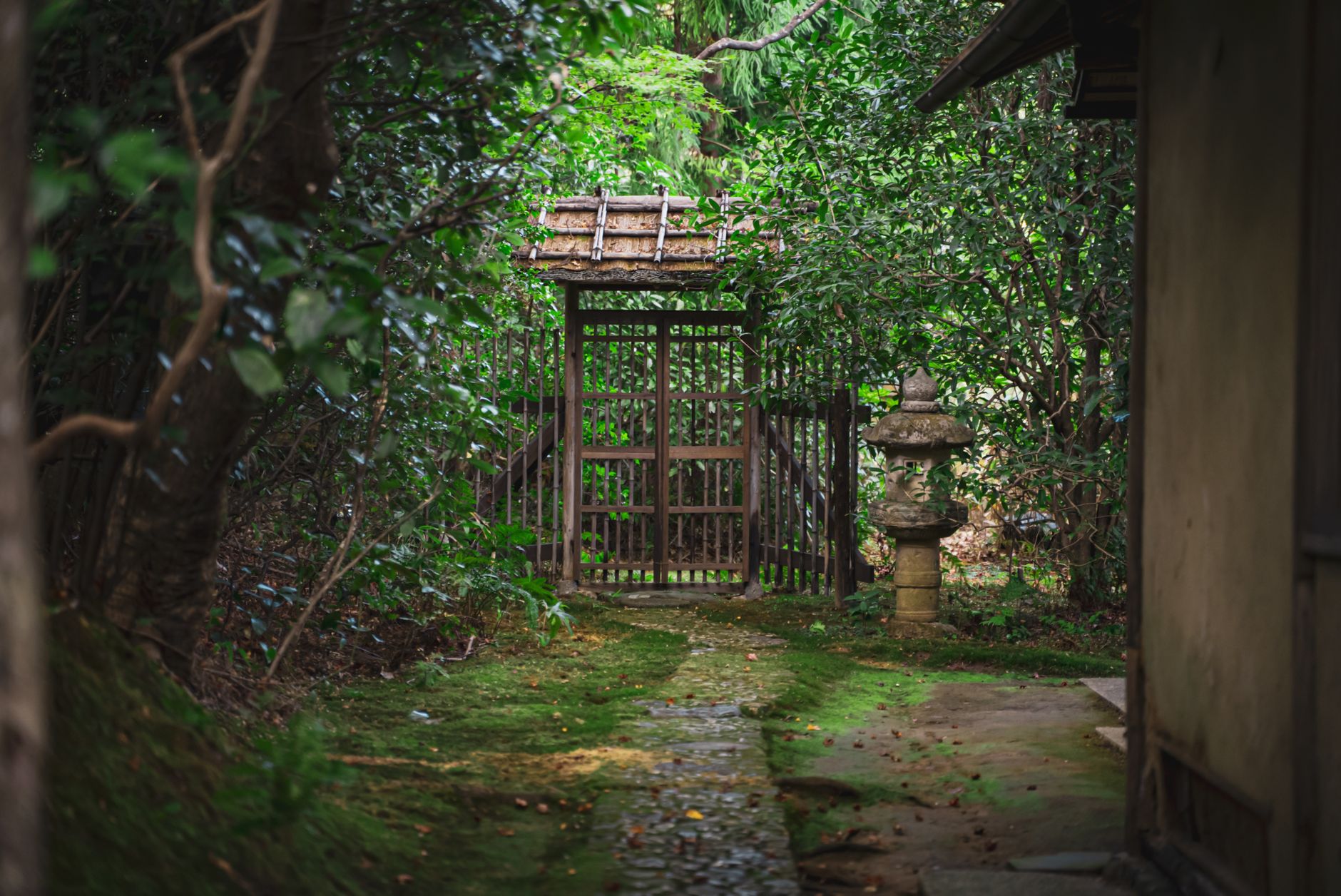
In Kyoto, hospitality is not expressed through grand theatrical gestures or excessive fanfare. Rather, it resides in what remains unsaid—the precise temperature of an entrance stone sprayed with water (uchimizu) to signal purity, or the deliberate angle of a solitary camellia stem placed in an alcove vase.
The Philosophy of Omotenashi
At an eight-room inn founded during the late Edo period along the forested foot of Higashiyama, time unfolds through sensory thresholds. The soft scuff of split-toe socks on polished cedar corridors, the sliding of shoji screens filtering diffuse grey daylight, and the warm aroma of hiba wood soaking baths prepare the traveler for evening stillness.
“True mindfulness begins when you allow the rhythm of an ancient room to dictate the cadence of your thoughts.”
Seasonal Poetry in Kaiseki
Dinner served in private chambers is a multi-course meditation on impermanence (mono no aware). In late autumn, dishes arrive adorned with miniature maple leaves tinged with scarlet. A broth of dashi and matsutake mushroom captures the essence of deep mountain soil, while grilled sweetfish preserved in local sake represents the rivers flowing from the northern highlands.
By the time futons are spread with hand-stitched cotton quilts, the night outside is broken only by the gentle trickle of bamboo water pipes in the moss garden. One realizes that travel, when stripped of hurry, is simply the deliberate practice of gratitude.